Connecting Science and Society
Latest Articles
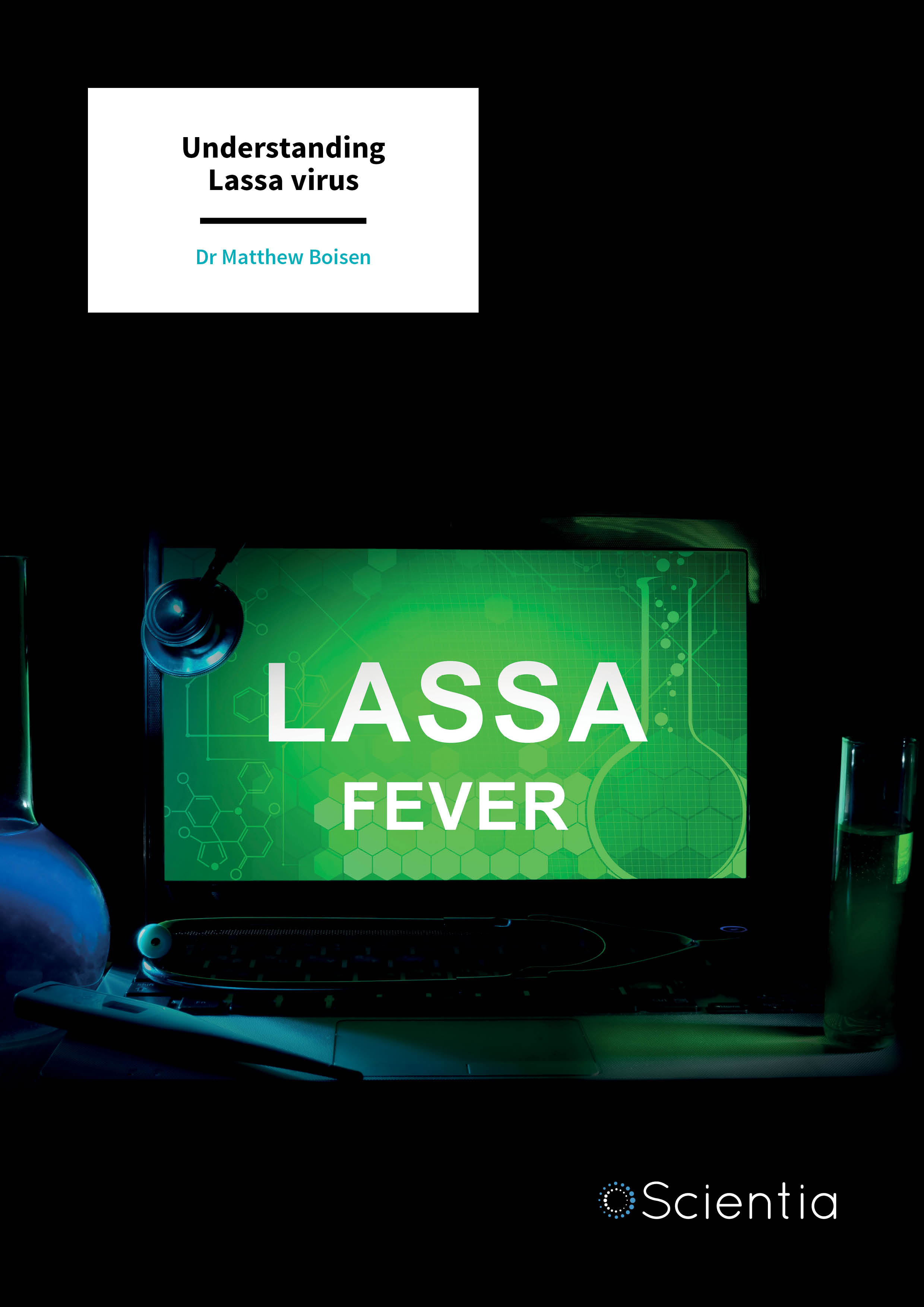
Dr Matthew Boisen - Understanding Lassa virus
For many years, Dr Matthew Boisen, Director of Diagnostics Development at Zalgen Labs, has focussed on trying to understand Lassa fever. Part of the Viral Hemorrhagic Fever Consortium, his group’s objectives are threefold: first, to develop fast and accurate diagnostics for Lassa fever; second, to design new therapeutic approaches; and third, to create an effective vaccine providing long-term protection against this condition.
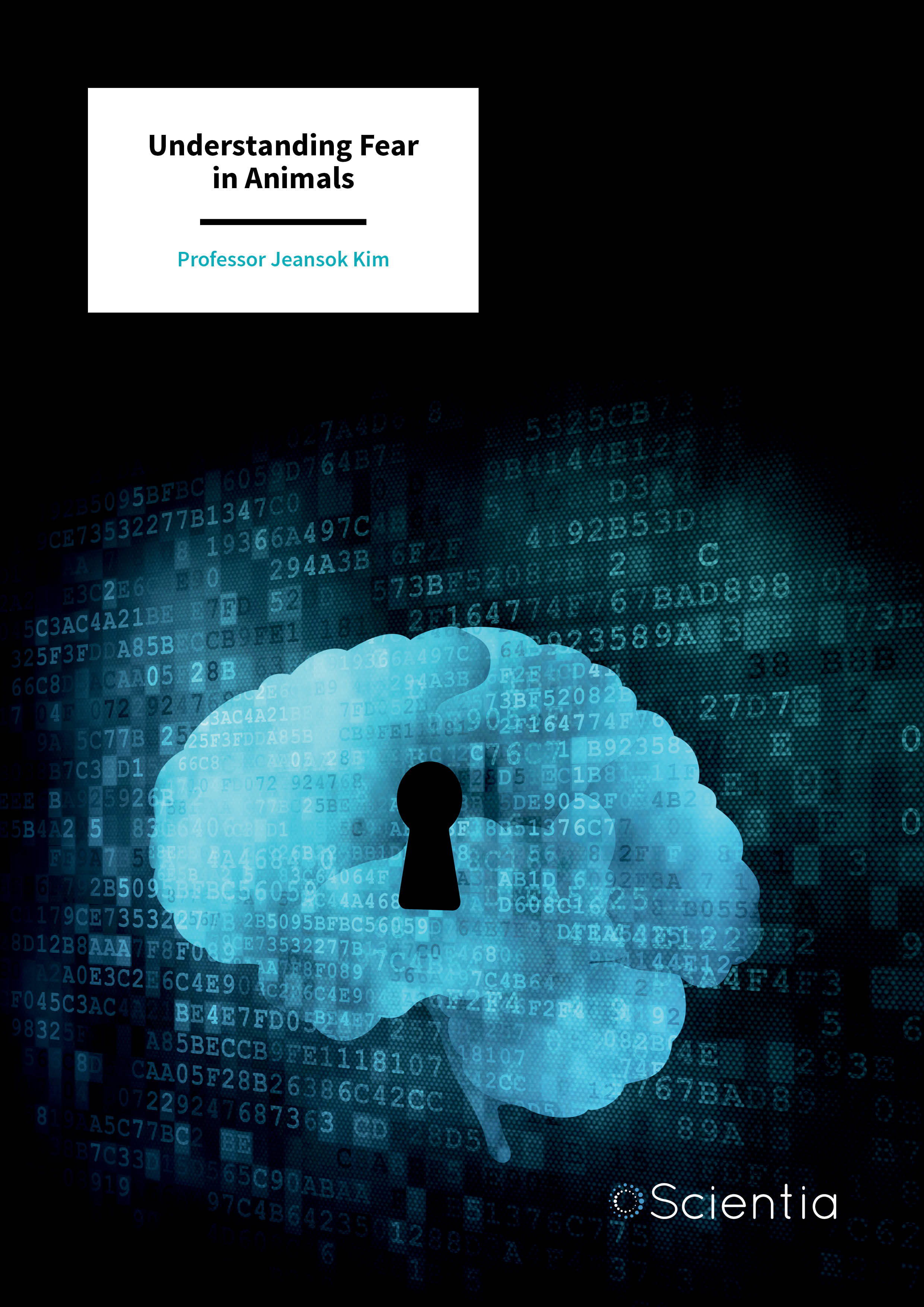
Professor Jeansok Kim - Understanding Fear in Animals
Research into animal fear typically utilises laboratory techniques based on Pavlovian fear conditioning, but these approaches are limited. Professor Jeansok Kim, from the Department of Psychology, University of Washington (USA) has developed a much more realistic way to study fear that closely mimics risky conditions in the wild. New discoveries by Professor Kim and his team are challenging existing paradigms and providing exciting insights into the underlying brain mechanisms of fear in both animals and humans.
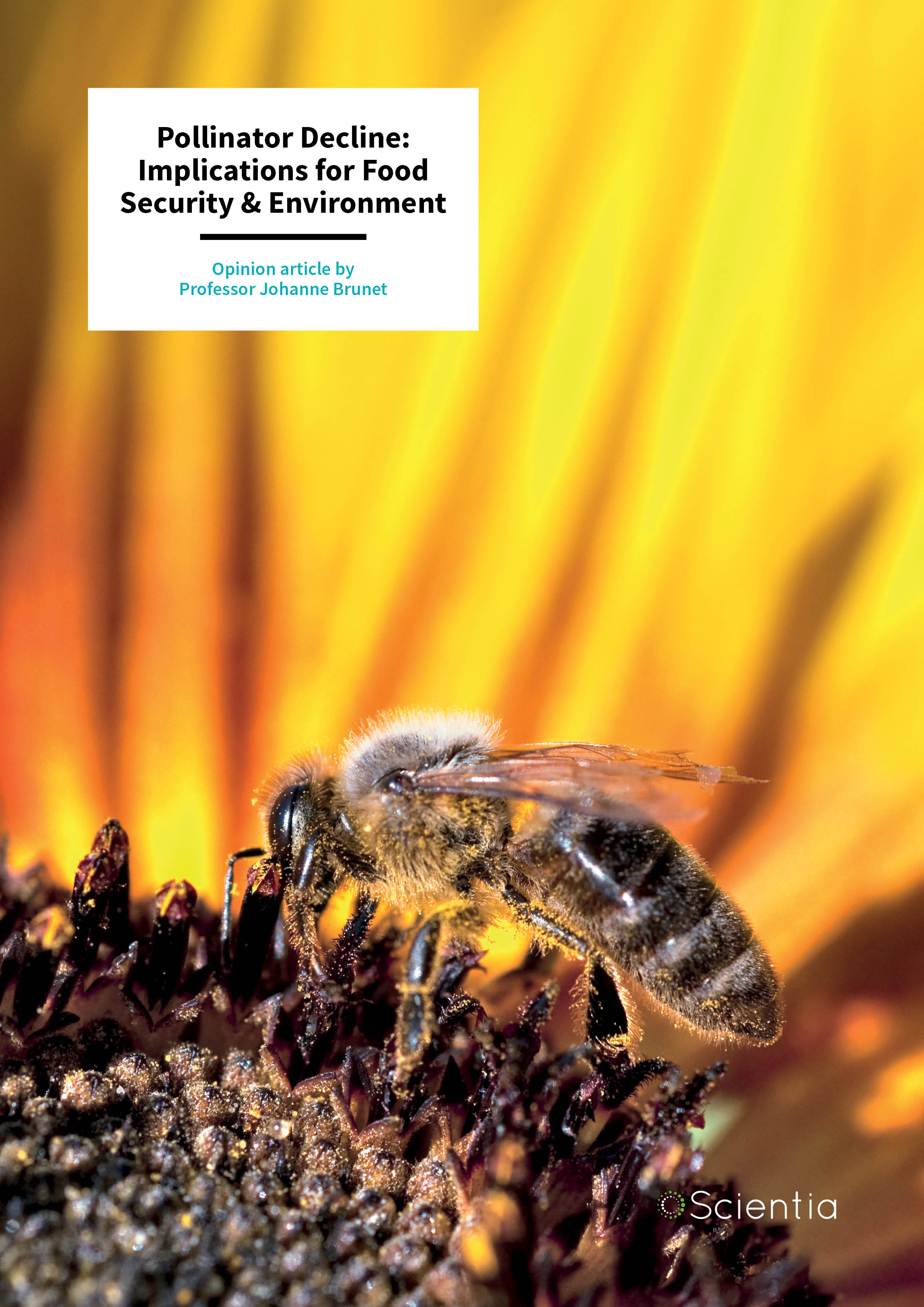
Pollinator Decline: Implications for Food Security & Environment
Bees are particularly important pollinators, with over 16,000 bee species known worldwide. Some bee species are social and have colonies with castes, a queen, workers (females) and drones (males), but over 85% of the known bee species worldwide are solitary.
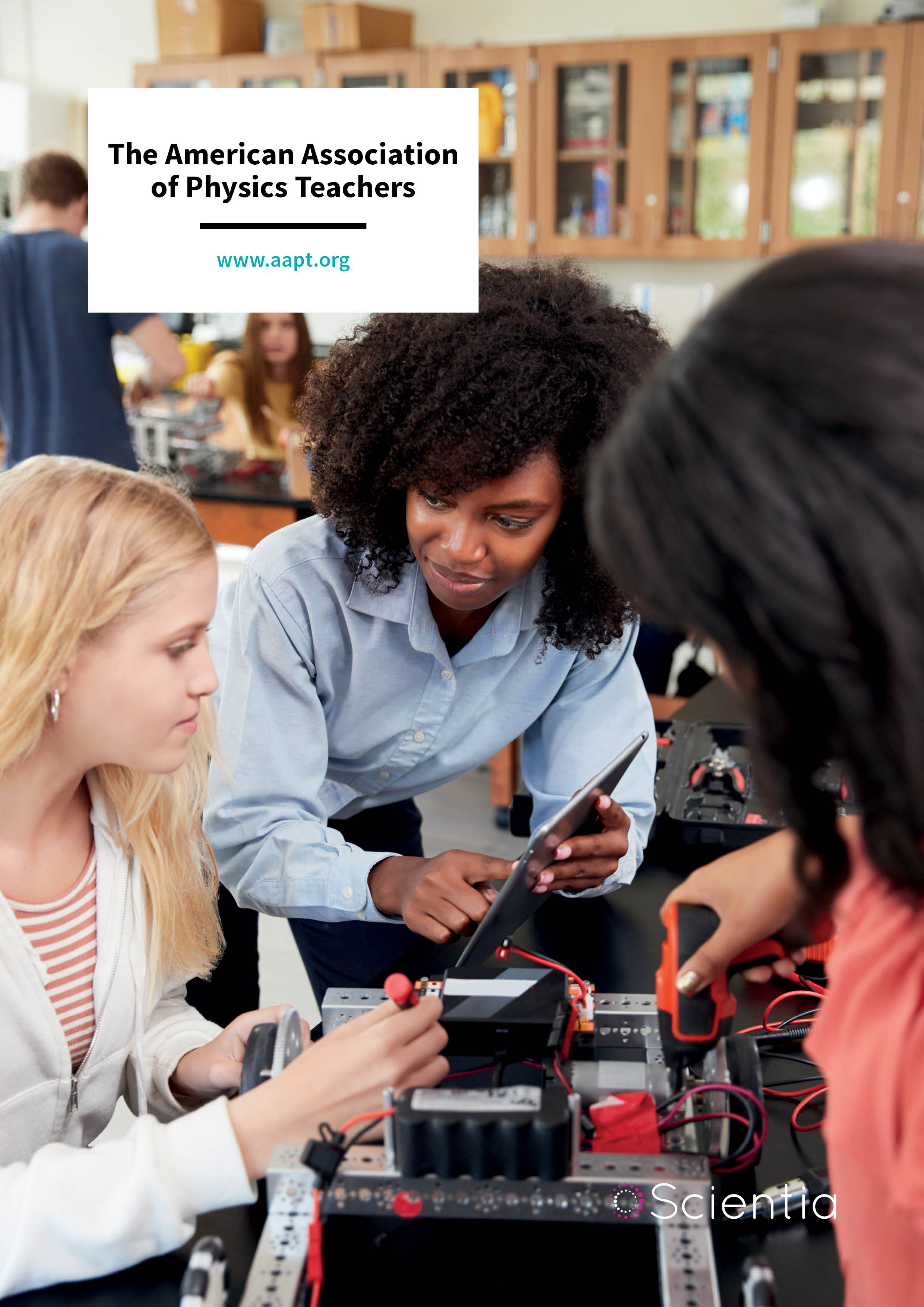
The American Association of Physics Teachers
Founded almost 90 years ago, the American Association of Physics Teachers (AAPT) is a professional society dedicated to the pursuit of excellence in physics education. The Association represents a diverse network of educators who all learn from each other about the most effective ways to teach physics, to reach all students. In this exclusive interview, we speak with AAPT’s President Professor Mel Sabella, who tells us about AAPT’s varied activities and goals. He also explains how the Association focuses on diversity, equity and inclusion to greatly enhance physics education in the US and further afield.
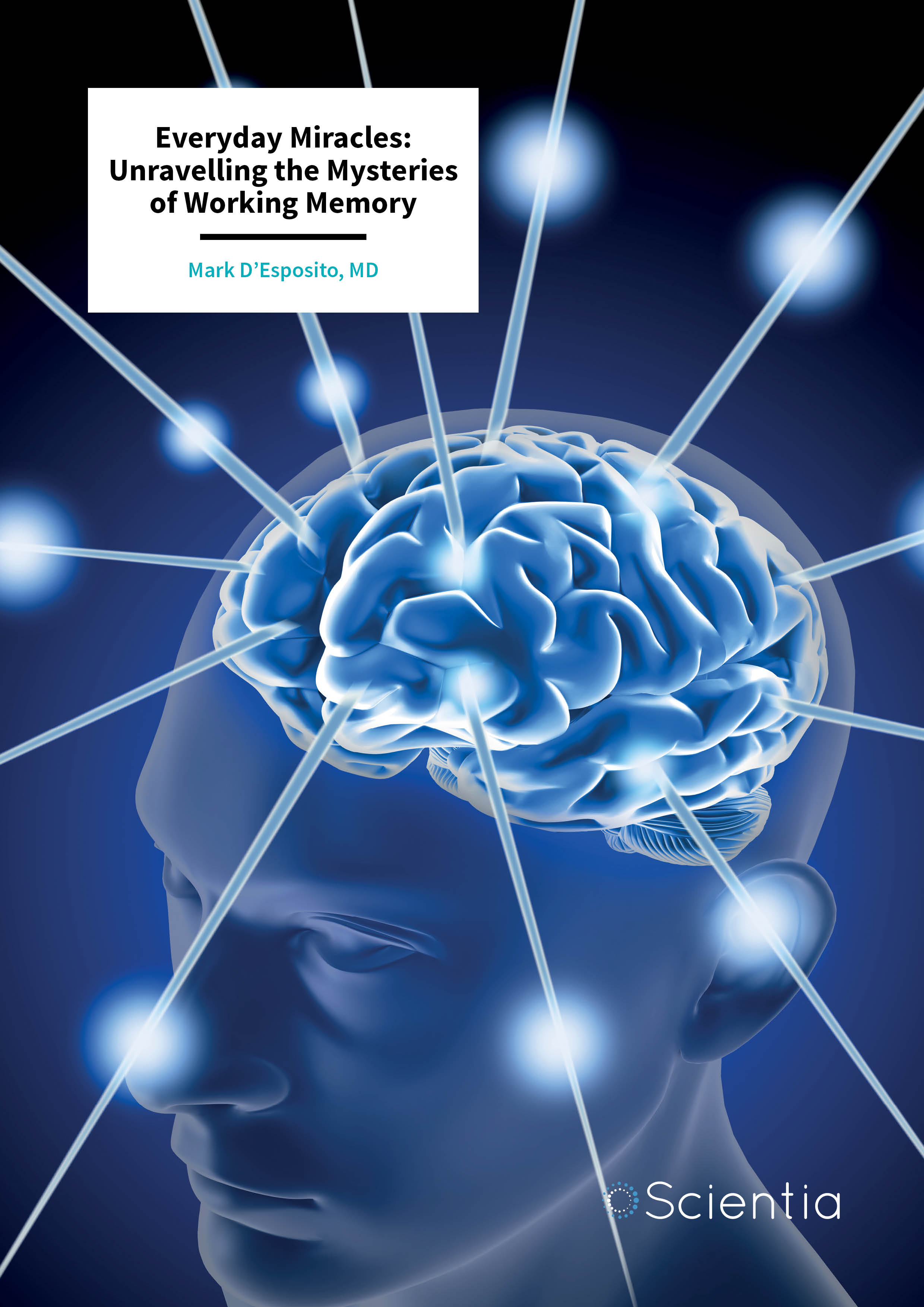
Professor Mark D’Esposito - Everyday Miracles: Unravelling the Mysteries of Working Memory
To accomplish even a simple goal, our brain must coordinate thousands of pieces of information, remember which parts are relevant, and ignore anything that is extraneous. Dr Mark D’Esposito of the University of California, Berkeley, studies how different parts of the brain work together to create working memory, the cognitive system that temporarily and actively holds information in mind allowing us to complete complex tasks.
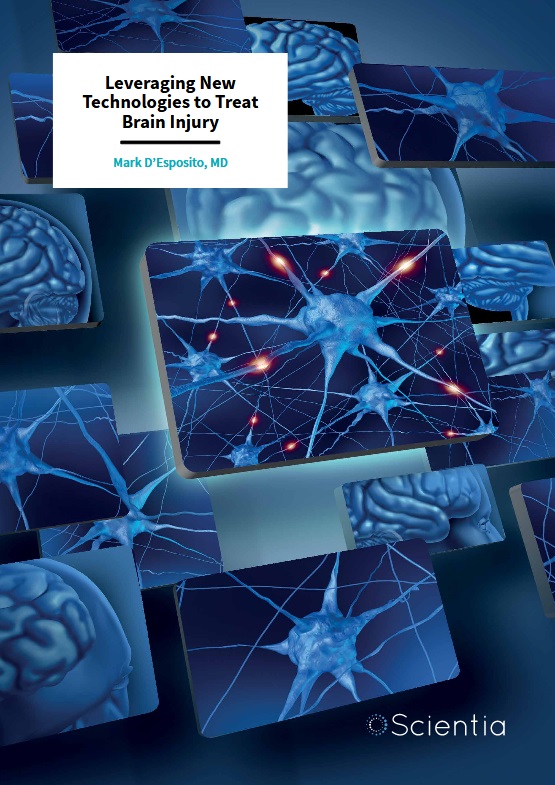
Professor Mark D’Esposito - Leveraging New Technologies to Treat Brain Injury
The brain is the most mysterious organ in the human body – despite decades of research, we have just begun to scratch the surface in understanding how the brain works and how we can help it to heal following an injury. Professor Mark D’Esposito of the University of California, Berkeley, uses advanced imaging technology to illuminate how the connections in our brain function in order to find new ways to aid brain healing after injury.
Latest Publications
Scientia Issue #125
CELEBRATING DISCOVERY AND INNOVATION IN GENETIC SCIENCE This important issue of Scientia showcases the vital work of scientists in the field of genetics, the branch of biology concerned with the study of genes, genetic variation, and heredity....
Scientia Issue #124
COMBATTING CLIMATE CHANGE & ECOLOGICAL COLLAPSE In this critical issue of Scientia, we address the two greatest threats that humanity has ever faced: climate change and ecological collapse. As two sides of the same coin, these human-induced...
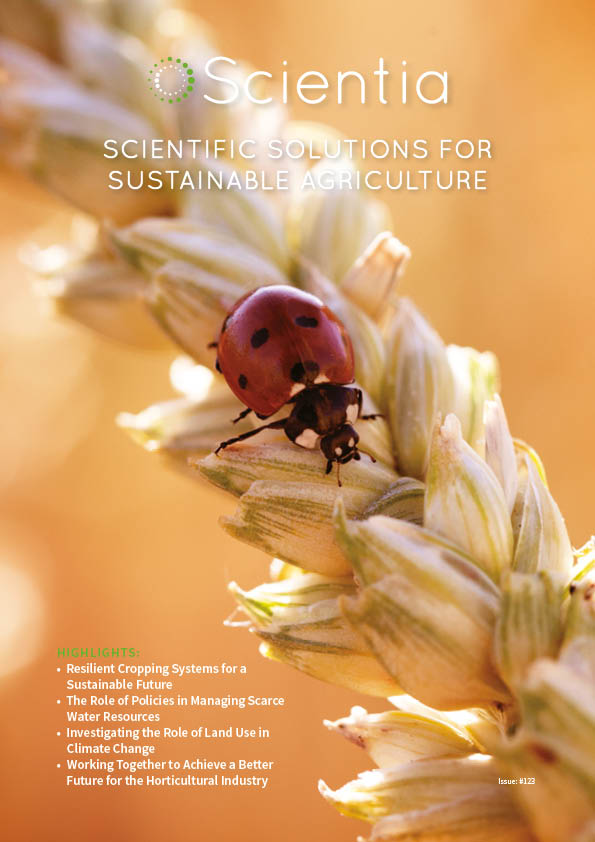
Scientia Issue #123
SCIENTIFIC SOLUTIONS FOR SUSTAINABLE AGRICULTURE In this important edition of Scientia, we address one of the greatest challenges of our time – ensuring food security and agricultural sustainability into the future. Here, we feature a broad...
Editor’s Pick
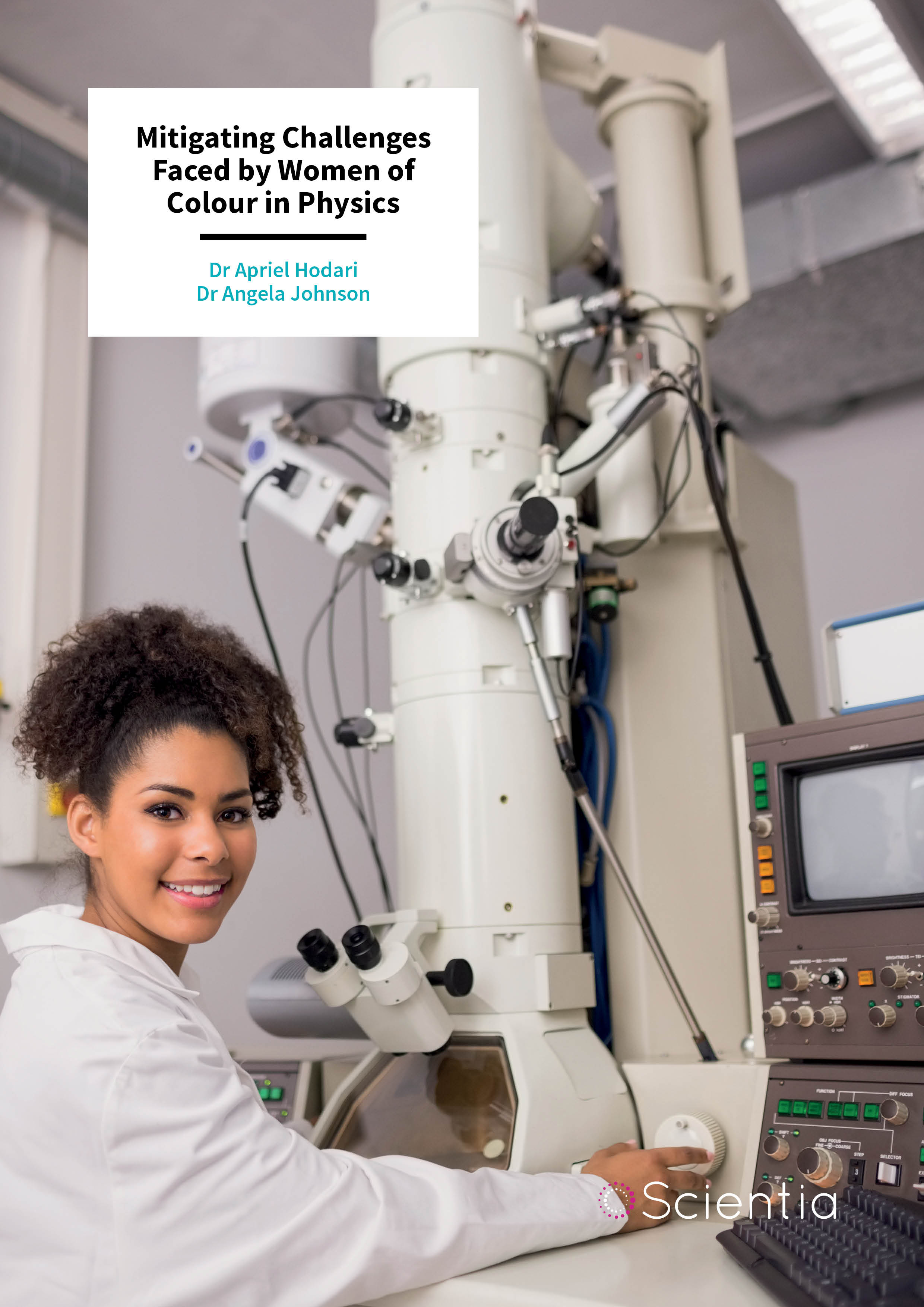
Dr Apriel Hodari | Dr Angela Johnson - Mitigating Challenges Faced by Women of Colour in Physics
Women of colour face many obstacles in their pursuit of STEM education and employment, especially in the field of physics. Dr Apriel Hodari, Principal Investigator at Eureka Scientific, and Dr Angela Johnson of Saint Mary’s College of Maryland, have been working on strategies to remove these barriers. Their solution involves significant cultural change within an institution, catalysed by strong leadership at the top.
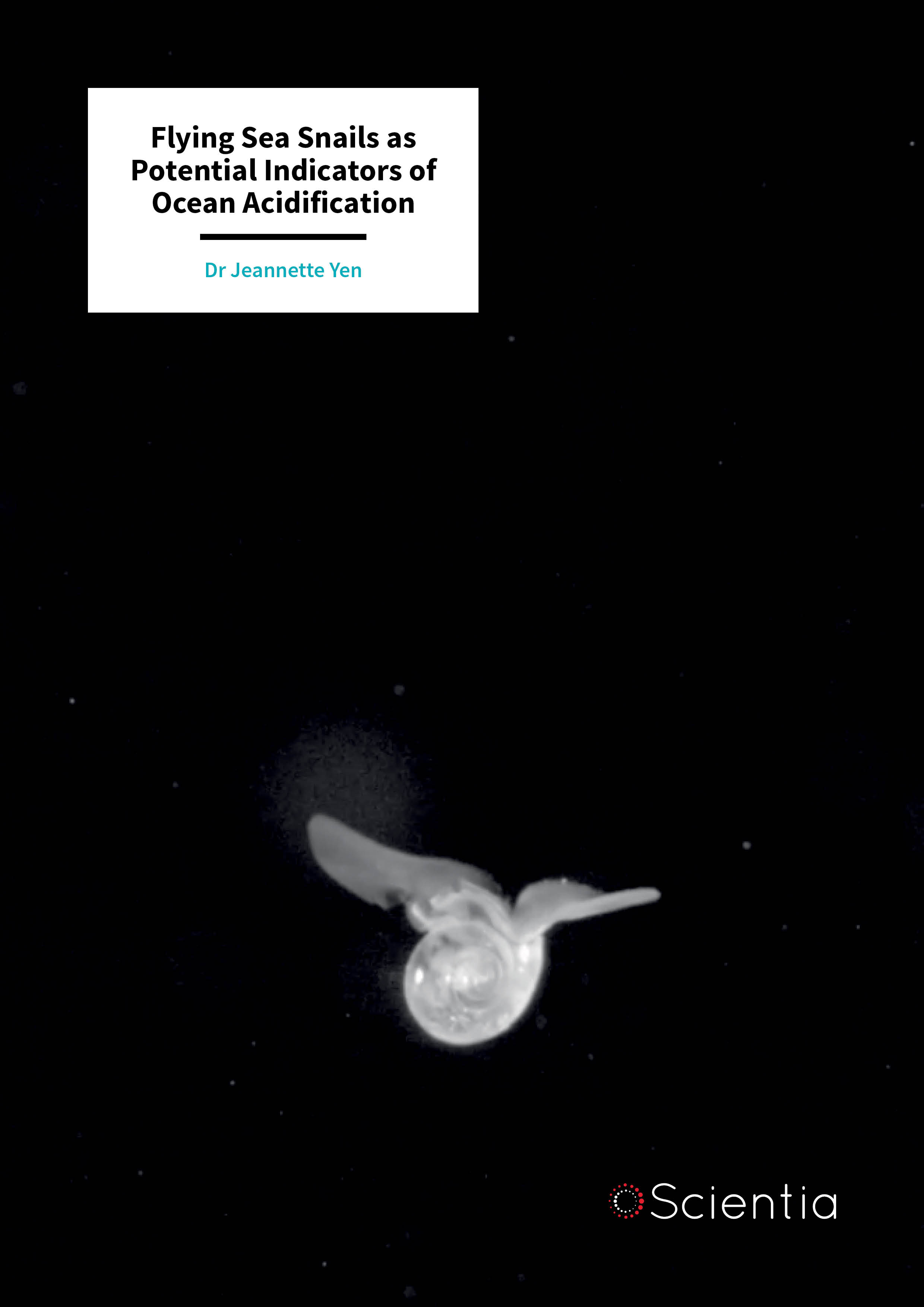
Dr Jeannette Yen - Flying Sea Snails as Potential Indicators of Ocean Acidification
Ocean acidification, caused by increasing atmospheric carbon dioxide, is having a negative impact on marine ecosystems. To effectively respond to the issue, a deep understanding of it is absolutely necessary.
Subscribe

#WomenOfColor face many obstacles in their pursuit of #STEMeducation & employment, especially in #physics. A #research team has come up with a solution, involving cultural changes within institutions, & strong leadership at the top. Read more: https://t.co/BEi6kkuaHG #equality
3#Scientists @UTSWNews & @UT_Dallas are developing a new #technology that merges #positronemissiontomography with transrectal #ultrasound to detect #ProstateCancer more accurately than before. Read more: https://t.co/ppNOLaBTSe #MEDTECH #CancerResearch #Cancer #Science #UTDbright
2BARRIER FREE POLICY
No pay walls. No subscription walls. No language barrier. Simple instant public access to science – opening a dialogue between science and society.

CREATIVE COMMONS
We publish under the Creative Commons Attribution-NonCommercial 4.0 (CC BY-NC 4.0)

DECLARATION ON RESEARCH ASSESSMENT (DORA)
We support and encourage the DORA initiative

OPEN ACCESS POLICY
Scientia adheres to the open access policy. Open Access (OA) stands for unrestricted access and unrestricted reuse.

DOI
Scientia is officially registered with CrossRef making our research content easy to find, cite, link, and assess.